 Episode 118
· 59:30
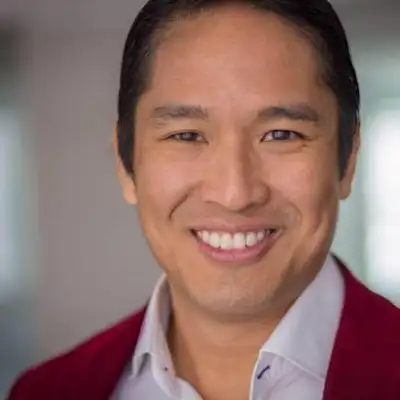
Ron Rapatalo: What's up? I'm Ron Rapatalo, and this is the Ronderings podcast. Around here, I sit down with guests for real, unpolished conversations about the lessons and values that shaped them. And I'll be right there with you, sharing my own take, laughing at myself when I need to, and wondering out loud about this messy thing called life.
Ron Rapatalo: Glad you pulled up a chair. Let's get into it. When we talk about creating opportunities for young people, most of us assume we're doing it for them. But what if the bigger question is whether we're actually doing it with them?
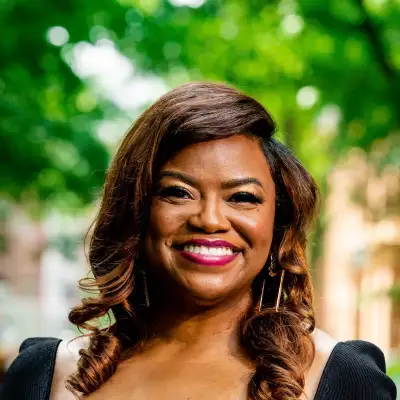
Ron Rapatalo: My guest today is Dr. Kimberlin Butler. This conversation challenged one of the deepest assumptions in education philanthropy that adults know best. Growing up in Baton Rouge as a Head Start student, Pell Grant recipient, advising secretaries of education in the Obama administration, becoming a researcher, foundation leader, creator of the Youth Possible philanthropy framework, Kimberlin spent her career asking a deceptively simple question, Who gets to make decisions to shape young people's lives?
Ron Rapatalo: This isn't just a conversation about youth voice, about youth power. The difference between inviting someone to speak and actually allowing what they say to change the outcome. We talk about philanthropy, leadership, trust, lived experience, but some of our best intentions still fall short because you never really could relinquish control.
Ron Rapatalo: Whether you're an educator, nonprofit leader, funder, parent, simply someone who believes in the next generation, I think this conversation will leave you asking different questions and hopefully building different kinds of tables. My conversation, Dr. Kimberlin Butler. Ronderings universe.
Ron Rapatalo: You know, I know I say this in every podcast episode, right, that every one of my guests is a treat. Well, we're in for a treat treat treat treat treat treat today because Dr. Kimberlin Butler on the... Is on the mic. And let me give you a little bit of background.
Ron Rapatalo: Right? So I think many of you know, if you've read my bios and seen me on the LinkedIns and everything, is that I've been in talent acquisition for over twenty years. And even though I don't lead searches day to day anymore, back when I was, I met Dr. Kimberlin Butler on one of the searches I was leading when I was solopreneur, and that was at least over a decade plus ago.
Ron Rapatalo: And so we've kept in touch. I'll let Kimberlin tell her own amazing story and what she's been up to since we, you know, chatted some time back, but we have kept in touch. In fact forward now, she's on the Ronderings podcast. So, Kimberlin, how are you doing today?
Dr. Kimberlin Butler: I'm doing well, Ron. Thank you so much for having me. It's it's truly a pleasure.
Ron Rapatalo: Well, I'm really excited to dive right in. So are you ready?
Dr. Kimberlin Butler: I am. Thank you.
Ron Rapatalo: You're welcome. So what is your story? What experiences shaped the work you are leading today?
Dr. Kimberlin Butler: Yeah. My story is is fundamentally a story about possibility. It's actually one of my favorite words, Ron. It's, you know, who gets to imagine a promising future? What conditions help them pursue it, and and who has the power to shape those conditions.
Dr. Kimberlin Butler: I grew up in Baton Rouge, Louisiana. I'm currently seated in Washington DC, but I grew up in a single parent household and I began my educational journey in Head Start. I received free and reduced lunch price I relied on Pell Grants to attend college, and I later became a Ronald McNair scholar and fellow. Oh, wow. I had no idea. Okay.
Ron Rapatalo: It's so funny because, one of the big magnet high schools here in Jersey City Yeah. Is named after Ronald McNair. So, hopefully Yeah. Wonderful. Back on what my daughter can go to McNair. We'll see.
Dr. Kimberlin Butler: Wonderful. Yeah. I actually... You know, a little side plug if anyone's curious and had ever heard of StoryCorps under NPR. I did a StoryCorps episode, with Ronald McNair's brother who survived his death, of course, Carl McNair, and we reflect on living the legacy and life of Ronald McNair and what it means to be a Ronald McNair scholar and fellow.
Dr. Kimberlin Butler: It's pretty awesome. I tell a lot about my background in life in that episode, and it it was very emotional to say the least. So, really grateful. Oh, a lot of gratitude to the Ronald McNair family and appreciate his sacrifice on that challenger in '86. Oh.
Ron Rapatalo: Well, yeah, keep going.
Dr. Kimberlin Butler: So, yeah, so on paper, I feel like, you know, people might may have defined me by poverty because I did grow up in poverty in Louisiana or what or sort of they may sort of think about what I may have left. Right. But you really couldn't tell because it was, you know, never how my family or community actually saw me.
Dr. Kimberlin Butler: Right. So, you know, just like most urban communities, there were like two sides of the track and I definitely grew up on the other side of the tracks. Right? So my mother, was a single parent government worker in the healthcare industry. My father was in the military, but very active in my life, but single parent home nonetheless. But, you know, my mother, father, educators, mentors, and community leaders invested in what my family called Kim Possibilities, Ron. So it's funny really was called Kim, but I only demand people call me Kimberlin today because Kim like was like too shortened of a name. And I was like, what about my actual name, Kimberlin? Right? And so that identity was important to me. But I keep... I I have more to share, but I just wanted to mention that. Did you want to say something?
Ron Rapatalo: No. I was really curious about, like, learning more about, like, just the impact of the Ron Rapatalo scholarship, but we'll get there in a little bit. But I'm gonna Hold that to the side because I'm just really fascinated to, like Yeah. Elevate someone that you, like, learn being in that scholarship because many of the Ronderings guests usually have some, like, moment of being involved, some kind of, like, fellowship organization that has really transformed their lives. Right?
Dr. Kimberlin Butler: Yeah. Like, Ed Pioneers opened the door for me to work in the White House. I mean, there's, we can go on and on. Teach For America. I mean, the list goes on, but that's why we're here. So anyway, they kind of, my family helped me see that my circumstances were part of my story, but they did not have like the opportunity to determine my destiny. So there are two words I want to uplift in this podcast for sure.
Dr. Kimberlin Butler: Possibility and destiny are my two favorite words. So that experience really, it shaped my entire career. So I became a teacher through Teach For America. Hoo. Oh, four corps.
Dr. Kimberlin Butler: Go, oh, four. Okay. Worked in communities in Atlanta, advised two US secretaries of education during the Obama administration. So I had this unique opportunity of like supporting Arne Duncan and John King because I was right there in the transition point.
Dr. Kimberlin Butler: Right. And so also led a national education and systems change work at Grantmakers for Education, managing philanthropic, you know, networks of multiple, like hundreds of foundations and designing programs for multiple, like the big tent of education funders. And eventually served in more like leadership roles more recently in research evidence, and evaluation and foundation strategy.
Dr. Kimberlin Butler: And so I've also been a funder and a trustee in a couple of foundations. So Ron, I guess the point is around my story across all of these roles, I kept encountering the same contradiction. Institutions, quite frankly, were making consequential decisions about young people while young people were largely absent from the rooms where those decisions were made.
Dr. Kimberlin Butler: Might recall the scandal in Atlanta Public Schools where I was there when it happened and I was a funder at the time. And I remember the foundation I worked for, we, we sort of were a part of what was called the Atlanta Education Donors Network. And we were one of many funders who decided to pull investments out of the school district and in the in the convert...
Dr. Kimberlin Butler: Because you couldn't trust adults with it at that time, obviously, was a scandal. My point is, everyone was so focused on the scandal. And I remember I was so focused on, but what about the young people? Like, they didn't ask to be in the middle of cheating parties or in the middle of this scandal.
Dr. Kimberlin Butler: Who's caring for the young people? Like, who's giving them a mic to ask how are they experiencing this moment and this time where they were clearly manipulated as a part of like adults sort of being incentivized to do not good by them. Right?
Dr. Kimberlin Butler: And so we would bring together school systems, foundations, nonprofits, policymakers, researchers, employers together. Often those young people were like missing from those conversations. They're like, where does Atlanta move next? Right?
Dr. Kimberlin Butler: And I saw this also clearly while working in the national Cradle to Career Network. As you know, we talked about Strive Together. So we were aligning communities around outcomes for millions of children. And I was over like our $15,000,000 accelerator fund.
Dr. Kimberlin Butler: And so thinking about the cross sector tables and how that created opportunities to improve young people's lives And just sort of thinking about what it means to invite young people into that conversation that always stayed with me. And so my dissertation, I'll land here, really, it was not hard to find a topic. I knew that in me was something that I later ended up trademarking called Youth Possible Philanthropy that grew out of a formal dissertation, which investigated how foundations invest in what I call youth possibility development, equity, and pathways to economic mobility, and whether they engage young people in grant making and philanthropic strategy and putting them on a path to be leaders in the systems that they deserve to shape because they affect their lives.
Dr. Kimberlin Butler: Right? So I just want to stop there. Like, that's who I am at the core. I'm that young girl from, you know, the other side of the tracks who just believed that, I should lead, which stands for learn, excel, achieve, and discover my own destiny. And I wanted to create those opportunities for other young people.
Ron Rapatalo: Well, I wanna dive into this youth possible philanthropic framework that you use, but I wanna go back to something that sounds very integral of, like, part of, like, Kimberlin's identity is being Kim Possible. I love that because I'm like, wait a second. Why wasn't... Why weren't you the star of the Nickelodeon show?
Ron Rapatalo: Like, that is a travesty, first of all. Because I was like, wait a second. I've heard Kim Possible before. I was like, what is that? And I was like, oh, they Stole it from me. Come on now. Yeah. So from your story and your journey, what does that mean? How has that shaped your understanding of your creation of this youth possible philanthropic framework?
Dr. Kimberlin Butler: Yeah. So this goes back to... So today is Sunday. Right? I have to reflect on church and, like, community and people who raised me. There was a woman at church.
Dr. Kimberlin Butler: Of course, I mentioned my mother integral in my life, my father and others in the community. But there was a particular woman named Mrs. Kay in my church that grew up in Louisiana, and she would look at me just about every Sunday and say something that stuck with me.
Dr. Kimberlin Butler: She would look at me, Ron, I kid you not. She would say, you were born to win. You were designed for accomplishments. You were engineered for success and endowed with the seeds of greatness.
Dr. Kimberlin Butler: Now, you know, I'm seven, now I'm 12, now, you know, you go on and on and... But when you hear that over and over again, you just believe it. Am born to win. Am designed for accomplishments.
Dr. Kimberlin Butler: I am engineered for success and I am endowed with the seeds of greatness. And so, I always believed in possibilities being within reach, right? Beyond what I saw in my community, which was great. But I always knew that I was called to something that was bigger than myself.
Dr. Kimberlin Butler: And in order for it to matter, it had to include creating space for young people's brilliance. And so when I think about what young people are capable of in our society, I think about like what that meant for me and like how that unlocked like a world of possibilities for me, in, in sort of having an adult speak that to me.
Dr. Kimberlin Butler: And so I began to sort of manifest my destiny, if you will, in partnership with God who I believe in, but also thinking about how can I use my platform as a teacher? How can I use my platform as a leader? Can I use my platform as a volunteer?
Dr. Kimberlin Butler: Every role I played, right, when I received the 40 Under 40 award in Atlanta through the Atlanta Business Chronicle some years ago, I remember like everyone was sort of celebrating on social media, like they're winning and achieving the award. But in the back of my mind, I kept saying, what does this unlock for the purpose and passion that I have to help more young people?
Dr. Kimberlin Butler: It's not about the award. It's about what it unlocks in possibilities for others. I knew that there were young people in my family watching me. I knew there were young people in my community watching me, but I also knew that there were young people I had yet to meet.
Dr. Kimberlin Butler: And so the Youth Possible, like sort of philanthropy is like a field building framework that helps philanthropy, like as a lever of change, move from engaging young people to partnering with them. Because philanthropy is that one space where you can truly innovate and, you know, sort of catalyze not just investments, but philanthropy can punch above its financial weight to convene conversations and go in new territories that other sectors frankly can't do.
Dr. Kimberlin Butler: And so particularly those who have historically been marginalized or excluded, given their lived and or living because they're still living young people expertise. They are co creators, you know, and what I call possibility catalysts, thinking about philanthropic governance strategy, learning and investment decisions.
Dr. Kimberlin Butler: And so that's what youth possible philanthropy is really about, right? It's, it's, it's leveraging young people and putting them on a path to co create and lead the very systems designed to serve them because their voices deserve to be heard and activated in a way that sort of changes systems because they're in those systems.
Dr. Kimberlin Butler: They should have a say so around how those systems serve them and that intergenerational dynamic is really important.
Ron Rapatalo: Right. Yeah. So I'm curious with this framework. Right? Because something you said earlier in this conversation is that it's not whether young people are hurt, but it's whether their participation changed a decision.
Ron Rapatalo: That's powerful, right? Because you can get a little cynical about this. Yeah, we have youth engagement. What are you talking about? Like, what's different about this? Right? Yeah. So for the audience and for me, what does meaningful shared power look like in practice?
Dr. Kimberlin Butler: Yeah. So it's it's it's this distinction between kind of being heard, right? You have children. You have three children, right? And you have a daughter. Like, so you can create space for your six year old to have a voice.
Dr. Kimberlin Butler: Right? But you could also choose to ignore her. Right? So it's about and you would never do that. Let's be clear. Not Ron.
Ron Rapatalo: I get a lot of trouble with that. I even try. I was like, daddy,
Dr. Kimberlin Butler: daddy, you're not hearing them. Uh-oh. But you know, it's, it's the different, the distinction between being heard and actually having influence, right? Youth voice may invite a young person to speak.
Dr. Kimberlin Butler: Youth power means their perspective has a consequential relationship to the decision. So, you know, in this, in the peer reviewed journal article that I released in the Foundation Review last year, YPP, Youth Possible Philanthropy, is a response to that traditional top down philanthropy that positions youth as co creators, right?
Dr. Kimberlin Butler: And possibility catalysts in governance, right? We're helping, like, you know, governing bodies make decisions. That's a stamp of like, I trust you as a leader. It's also, it's so, so the point is there is trust, in the young person's ability to make decisions, right, that would drive any outcome for the future.
Dr. Kimberlin Butler: That could include learning and evaluation as well, and certainly strategy. And so, that's really the difference, right? Cause you're right. There's lots of youth engagement programs. There's lots of opportunities in perfunctory like youth engagement bodies, right?
Dr. Kimberlin Butler: There's a million advisory boards. In fact, my dissertation uncovers a lot of that. But the difference is what is attending to what I call possibility development, right? That psychological safety where a young person feels like the adults are really trusting, like, like their ability to gain access for their most promising future.
Dr. Kimberlin Butler: And also you're making a difference, right? And self actualizing the change you want to make in the world in partnership with the adults, which in this case, I'm talking about philanthropy. And under that is also every system. It's not just philanthropy, right?
Dr. Kimberlin Butler: It's intergenerational dynamic that in... Includes cross sector impact and all of that, which we can go into the model for sure.
Ron Rapatalo: Yeah. I mean, I really... So, you know, my my curiosity is Yeah. So much of this makes sense Yeah. Intellectually to me. Right? Especially folks like you and I, many others that we know that are, like, injustice work and Yeah. Really, like, making sure that the people closest to the decision
Dr. Kimberlin Butler: Yeah. They're possible. Involved. Right? Mhmm.
Ron Rapatalo: And yet, I can't think of a single philanthropic org off the top of my head that's doing this. I'm wondering if, Kimberlin, you have an example of philanthropic org that's embracing this, and what are they seeing from using this youth possible philanthropic framework?
Dr. Kimberlin Butler: Well, Ron, you know, honestly, I do think, just for the audience, it's important to take a step back to explain what it is, right?
Dr. Kimberlin Butler: Okay. If I give the six components that you do, sort of helps get to that. If I create an example, it situates within, you know, So youth possible philanthropy just for the audience. It integrates six bodies of practice that are often discussed separately, right? So the first is what's called youth participatory grant making. And it says that young people should have real authority over funding decisions, right?
Dr. Kimberlin Butler: And I actually have a strong example of that to answer your question. But trust based philanthropy is a phenomenon that's out there. Actually, know the founders and it's an, it's an excellent philanthropic practice, but it asks the institutions to really trust communities and release unnecessary control essentially.
Dr. Kimberlin Butler: Right? It's like trust the grantees, trust the nonprofits, trust the organizations that you're investing in because they know best, in a nutshell. I mean, you can go to trust based philanthropy and learn more. It's an excellent project.
Dr. Kimberlin Butler: I really respect it. Third, participatory learning. You know, in our space, you may have heard YPAR, youth participatory action research. In philanthropy, there's a higher call to sort of flip that on its head and look at, not evaluation, but like learning in general.
Dr. Kimberlin Butler: Like we need to hear about learning organizations. So participatory learning recognizes young people, not merely as engaged in research as an interest, right? But they are the researchers, their ability to generate evidence and knowledge and interpret and create knowledge. That participation in learning is important.
Dr. Kimberlin Butler: I think also the next piece of of the model for Youth Possible Philanthropy is it's equity centered unapologetically in its approach. That's the one thing I would never give up. It requires us to confront the structural barriers that shape who has access, whose expertise is valued, and who gets to lead.
Dr. Kimberlin Butler: Right? So, very much thinking about historically marginalized young people or what I like to call resilient youth because young people are not defined by who they are. Like they're experiencing poverty, of course. They're not poor, which is something we used to say very often, but now we know the systems created the conditions that they ended up in, including myself.
Dr. Kimberlin Butler: And multi sector collaboration, very important. It reflects the reality that young people, you know, they experience education, health, workforce, justice, as you mentioned, family, community systems simultaneously. Not in different portfolios that institutions create, right? Institution and a young person, two different experiences, right?
Dr. Kimberlin Butler: They're experiencing all the systems at the same time, whether we see it or not is not their problem. Right. That's our challenge and we have to do better. And then finally, what makes the model really unique, is what's called possibility development, which is anchored in my dissertation, like I said.
Dr. Kimberlin Butler: It offers to really invest not only in programs around young people, but in their agency, their relationships, their social capital, their leadership, their capacity to imagine and wonder and pursue their own futures, right? So when these elements work together, Ron, youth are not simply helping adults improve outcomes or programs or whatever they're investing in, in philanthropy, they're shaping the philanthropic governance strategy and ultimately changing systems. So the systems change is the North Star. So just wanted to mention that.
Ron Rapatalo: No. Thanks so much.
Ron Rapatalo: So the example you were asking about. I would love to hear that example now that you've been able to educate us about the six pillars of the framework. So thank you.
Dr. Kimberlin Butler: Yeah. I think one of my favorite examples is the Peter and Elizabeth Tower Foundation. It offers a really compelling example of the shift from like voice to shared power. So they have something called the community experts team, which brings together young people and adults, young people and young adults, I should say, because there are some younger people and then they're like older young people, which youth adults, or however you want to frame it.
Dr. Kimberlin Butler: They all have lived experience related to mental health, substance use disorder, learning disabilities, and intellectual disabilities, right? They're definitely historically marginalized. They don't simply advise the foundation after decisions have been made. They've built this community experts team to help shape, requests for proposals in the foundation, and they review and score applications.
Dr. Kimberlin Butler: They also deliberate together and determine how, the last time I was with them, it was approximately $350,000 in grants, like how that will be awarded. And it's the... The process is fascinating of how they do it, but their lived experience is not treated as an inspirational supplement to professional expertise.
Dr. Kimberlin Butler: Right? It is recognized as extra essential to sound grant making. So through the lead agency, had an opportunity to serve as their learning and evaluation partner, helping the foundation understand not only what decisions the team made, but how participants experience power, access, belonging, leadership, and learning.
Dr. Kimberlin Butler: And so, you know, I created something called a possibility lab where the young people examined evaluation findings. So now, as you can hear, that's drawing on the participatory learning part of the model. The young people were engaged in interpreting the information I was finding along the way about the community experts team and recommending how the initiative should evolve.
Dr. Kimberlin Butler: And so young people were not generating data only, they were shaping its meaning and directing what the foundation does next, right? And so I'll just say the, the CET members, they co-design the RFP, Ron, they review applications, they decide roughly $350,000 how it's awarded, but the model also includes stipends because the foundation pays young people for their time very well, by the way.
Dr. Kimberlin Butler: Facilities support. I literally watched how the Tower Foundation cared about young people meeting their needs around accessibility, participatory learning and leadership paths, pathways for what they may call alumni to this day. But to make the larger point, the Tower Foundation shows us, Ron, that sharing power does not mean adults disappear or abandon responsibility.
Dr. Kimberlin Butler: Yeah. It's like you create space for young people to be brilliant. And so that dynamic is really important. It's a really strong example of what happens when philanthropy creates space to listen to young people and give them space to make investments in their most promising futures and what they value in their communities. It was really powerful.
Ron Rapatalo: So what would you say to adults who are questioning whether young people are ready to make those funding strategy governance decisions? Because I already have the cynic in me going like, that sounds like a great example, Kimberlin, and come on. You must have...
Ron Rapatalo: These must have been handpicked students the same way, youth, whatever. This couldn't be done at scale. Right?
Dr. Kimberlin Butler: Ask her question again. What do you mean?
Ron Rapatalo: Yeah. So, you know, the cynic in me, like, here's the example you just shared. Right? And I can see people that are working in this space saying, that sounds like a great example, but this couldn't be done at scale.
Ron Rapatalo: So I'm wondering what you would say to those adults who are questioning whether young people are ready to make those kinds of funding strategy or governance decisions.
Dr. Kimberlin Butler: Yeah. First, I would say reject the notion that nothing can be done at scale related to young people. Right? I would say you have to trust that Yeah. Anything is possible.
Dr. Kimberlin Butler: And these examples exist so you can scale them. I'm in the middle of writing a Stanford Social Innovation Review article about this ironically, and it'll be at some point. But the point is it is definitely possible, and it's all about the adults sort of creating space to do it, and rejecting the traditional myths about it being possible around time, resources, etcetera.
Dr. Kimberlin Butler: Right? And then also it's, it's just, it all boils down to trust because the intergenerational dynamic requires you to be humble enough as an adult to say, you actually don't have all the answers. You're actually, you know, have had a lot of experience, but young people are coming behind you, right?
Dr. Kimberlin Butler: This is intergenerational. And so if we think about our democracy as an opportunity to, create space for young people to be more brilliant and step into what they naturally are, and we think about the care of our democracy, we have to set up systems that allow them to sort of step in, right?
Dr. Kimberlin Butler: And sort of build bridges across communities and activate their talents and their gifts and their expertise to see a more perfected union, right? And so I think that I would first challenge the mental model, right? And sort of say, well, why can't they?
Dr. Kimberlin Butler: Or why couldn't this scale? Because there are lots of foundations who are leaning into trust and participatory grant making and participatory philanthropy more broadly. And so it requires partnering with community to do so. So if you see yourself as part of that trust based ecosystem, you have to think about and interrogate and hold up what I call an x-ray, not a mirror, because a mirror just shows you you, right?
Dr. Kimberlin Butler: An x-ray goes deeper. It shows you the places that you need to interrogate and like to sort of get to the root to make yourself healthier. Right? And so I would challenge the notion of like how healthy are you when it comes to youth voice, youth leadership and youth engagement and most importantly, youth possibility.
Ron Rapatalo: Yeah, I would I might even push it further and say that maybe that we need to have philanthropy use an MRI. I mean, X rays are really helpful. Yeah, I don't give it. But there's some things MRI see that X rays don't.
Dr. Kimberlin Butler: Yeah. That's what I mean. I mean, that's it's the cousin, right? It's the MRI. It's the X-ray. My point is the mirror shows you nothing but yourself. And if you're unhealthy, you're going to see an unhealthy sort of organization and or unhealthy sort of mental model reflected back.
Dr. Kimberlin Butler: But definitely have that MRI and and sort of reflect because our young people deserve it is the point. Right? And when you do, like in the case of the Tower Foundation and other foundations like AJL Foundation and others, creating space for community to actually make decisions, it's really powerful.
Dr. Kimberlin Butler: And young people can validate investments in ways that others just can't, right? Especially when it's about them. You know, I had another experience where, I don't want to name the foundation, but essentially they wanted to do what they thought was an education strategy.
Dr. Kimberlin Butler: And when they connected with me, they actually realized that they wanted to do an economic mobility strategy. So I was kind of helping shape their, their economic mobility strategy because were investing or about to invest for decades more into a skate park in the community.
Dr. Kimberlin Butler: When they engage young people, they realize that the young people didn't want a skate park in the community. So imagine, look at how different the outcome of investments would have been if they had not consulted, actually not consulted, engaged. Consulting is baseline. Engage young people regularly in the And foundation so the economic mobility strategy was much more powerful and compelling because they thought to trust the young people in their own community.
Ron Rapatalo: Yeah. I just get so curious. I'm like, where was the disconnect between saying, yo, the youth want a skate park? But they actually get asked like, no, we don't want them. We're like, I just... But that's probably so common. It's not even It's
Dr. Kimberlin Butler: assumptions that adults like we know best. Like, I like, no, you have to ask them. They're, you know, you know, it's by the time your podcast is released, right, this joke will be over. But like, like, just because 6.7 is popular doesn't mean we get to say it. Oh, no. Yeah. I what our thing is
Ron Rapatalo: right here. Don't. It's like, I like to say that TikTok was not built for me. I'm a young Gen Xer. I might have an account, but I don't linger on it if I'm, like, occasionally, like, I have I have buddies around my age who will send me stuff and just, like, I feel weird going, like, I have to watch it on here? Like, Can't you just show me the Instagram link? Because I'm on Instagram.
Dr. Kimberlin Butler: Ron, I do wanna... If you're open to it, I do wanna share Maya's story because I do think it's great. It's... I talk about it in the Foundation Review for sure.
Dr. Kimberlin Butler: I opened it up in the article, but, you know, Maya is a pseudonym for a young woman that I mentored, a a young person who was in a very prominent charter system. And I have to be careful, but essentially, she was, coming through a national nonprofit organization.
Dr. Kimberlin Butler: And she... This national nonprofit touted placing young people in jobs, etcetera. I don't wanna name them either. But the bottom line is I've met Maya on a national stage when I was at Grantmakers for Education.
Dr. Kimberlin Butler: And she was speaking with me on a plenary stage and she'd asked me to mentor her. And I said, sure. Right. Why not? Like, I love young people. Anyway, we were getting to know each other and I started asking her to speak in different places because she was so amazing and I loved her story.
Dr. Kimberlin Butler: And then also I noticed that the organization, the National Nonprofit, had come through, she was the class speaker. She... At the Hispanic Chamber of Commerce, she was also speaking. And then also she ended up having a gig at the White House also speaking.
Dr. Kimberlin Butler: That's a whole another, you know, doors were just opening for her. But one time I asked Maya to speak with me at a conference and she said, with all due respect, Dr. Butler, I'm tired of philanthropy, using my story and not actually seeing me.
Dr. Kimberlin Butler: And I was like, what do you mean by that? And she said that, you know, the national nonprofit that claimed to, provide her a job and also philanthropy and other parties just got so comfortable asking her to tell her story and it was quite extracted.
Dr. Kimberlin Butler: I said, and I kept listening. And she said, Dr. Butler, did you know that I was homeless on the streets of New York City? And I said, what? It stopped me dead in my tracks.
Dr. Kimberlin Butler: Of course, I went to work finding things for her, like connecting her to the Urban League and other places so she could get support. But the point is, look at the number of years she went and no one saw her and saw her actual story, but they were very comfortable, like, celebrating the success of who they thought she was without actually seeing her.
Dr. Kimberlin Butler: So what this youth possible philanthropy does is makes the invisible visible. We're not truly seeing young people, and it's deeper than a nonprofit doing a grant report because a lot of funders are actually missing the stories behind their investments. Right? So Maya has, you know, has been invited by a number of philanthropic institutions to share her story and insight, she did what institutions so often ask young people to do.
Dr. Kimberlin Butler: She trusted adults with her story and offered knowledge rooted in her lived experience. But the foundations did not demonstrate meaningful follow through. Right? She could not... How sharing her experience led to action, a change decision or created any accountability.
Dr. Kimberlin Butler: And so this sort of invitation reminds me that trust is not built by just invitation alone.
Dr. Kimberlin Butler: We actually see young people and be in relationship and that requires inviting them to the table to sort of share and listen, right, around how the investments are playing out. And I just think young people should not just be heard, but that she should play a leadership role in shaping what comes next.
Dr. Kimberlin Butler: So if she wanted to shape the housing, you know, community, or shape the poverty policy in New York City under the new mayor, right? She should certainly be a part of philanthropy's plan to do that because she had this experience of not being heard.
Ron Rapatalo: So my follow-up question because I, know, I get really curious about the, you know, these, I think, there are systems at play where, like, trust doesn't just happen by, like, bring someone in the room. Right? I think you and I, as, like, trust based people, understand that, like, trust that happens between people doesn't just that extend to the entire culture of an org or a system. Right?
Ron Rapatalo: So I'm curious what needs to change inside of foundations then, not just in their grant making, but culture, governance, evaluation, power dynamics, for this work you described, they become institutionalized.
Dr. Kimberlin Butler: Yeah. So I think this is so interesting. So we know that relationships move at the speed of trust. Right? Everything is relational. So favorite phrase. Yes. And what was that?
Ron Rapatalo: It's my favorite phrase.
Dr. Kimberlin Butler: I know. Yeah. Cause you and our, you know, brother and sister, of course it is.
Dr. Kimberlin Butler: But I, but philanthropy is uniquely positioned to do this work because it has the financial capital, convening power, flexibility, relationships, and the ability to invest across systems, right? So some of it is, you know, just like multiple organizations, right? Foundations can look like universities or they can look like they have a lot of autonomy, right?
Dr. Kimberlin Butler: Every, my point is there are different cultures. Philanthropy is not a monolith, right? So what has to change is that, you know, one, I do think it's very important that funders hire people who have lived in living experience across these systems. Right?
Dr. Kimberlin Butler: It's very it's different to sort of invest in housing and have staff on your team who understand the housing systems and the dynamics of those systems. So hiring a Maya would be ideal for a philanthropy that wanted to tackle an issue that she cared about because she has that true lived experience.
Dr. Kimberlin Butler: I think also, you know, just pushing the boundaries of thinking, right? You want to have governing board members who don't just care about the bottom line and the fiduciary responsibility, right, of the foundation, but also thinking about the community impact and how, you know, we have to create space to make sure that, you know, young people's voices are heard and considered in the foundation's impact, right, across the entire foundation.
Dr. Kimberlin Butler: And so sometimes that's creating space on the board, which some foundations have started playing with the idea and others are actually doing it. The Tower is close to getting there, right? And so they're reconsidering like the age range of who they let onto their boards, for example, or their foundations board, as well as the AJL Foundation and other foundations that I've seen.
Dr. Kimberlin Butler: There are a number of foundations who care about creating space for young people on the governing board. And then third, I think it's also, it's a mental model shift. Foundations, especially the people in them, who are thinking about youth focused investments or any investment, because remember it's topic agnostic and not just youth focused investments.
Dr. Kimberlin Butler: When you think about any investment in making an investment for a more promising future, democracy and otherwise, you need to actually think about what is missing in your strategy. Right? Like, how are you, truly thinking about the investment and the strategy behind it? Are you engaging the voices in the community?
Dr. Kimberlin Butler: Are you engaging young people's voices in the community who can validate whether the strategy would actually work on a regular consistent basis. This is not a one time thing. It is how do you create the infrastructure to listen and actually do something differently in your vest...
Dr. Kimberlin Butler: Investments because you listened. Right? So maybe your strategy might change. Maybe how you define your metrics are very different. I talk about this in the article, how a young person defines belonging is very different than how an adult might define or measure belonging, right?
Dr. Kimberlin Butler: To be willing to rip it all up and start over because what you assumed works or maybe an investment that was promising in the past. It's like what got you here won't get you there. Right? That best whatever.
Dr. Kimberlin Butler: It's like all of that is true in philanthropy too, because the world is changing so rapidly And to keep pace with it, we need to be relevant, and that always includes engaging young people. So there are just a couple, like, three to four things you definitely would do.
Ron Rapatalo: So speaking of creating infrastructure, Kimberlin, and on our green room conversation, you're now building the Youth Possible Philanthrop Philanthropy Practice Network.
Ron Rapatalo: So kudos to you.
Dr. Kimberlin Butler: Yay.
Ron Rapatalo: What's the vision for this network, and why is this the right moment for it?
Dr. Kimberlin Butler: Absolutely. So, of course, you know, if this if this Youth Possible philanthropy is about sharing and seeding power with young people in the philanthropic space, you know, there's one thing to talk about something, but I am a huge, like proponent of us actually doing something.
Dr. Kimberlin Butler: Right? So it's, it's putting action behind our commitments. And so, you know, I'm trying to translate the framework and the individual examples into the practice network, which is different than a community of practice, right? So the network is envisioned as a national, possibly global, because I did kind of launch it in Portugal.
Dr. Kimberlin Butler: So, but it's definitely, it's going to start in The U S it's a multi funder initiative, bringing young people and philanthropic leaders and partners together in an intergenerational team dynamic or cohort model. So I think the difference is this is not leaders in nonprofits.
Dr. Kimberlin Butler: It's specifically young people that I'm recruiting from youth serving organizations like Boys and Girls Clubs and Other Spaces Education and funders coming together so they can hear young people on a regular basis. And it's also... You know, the goal is not to host another conversation about youth voice.
Dr. Kimberlin Butler: It's to create a sustained environment where institutions and young people practice shared power together. Right? Yeah. In year one, teams will define priorities and co-design philanthropic strategies. Year two, they'll kind of test approaches and contribute learning to the field.
Dr. Kimberlin Butler: And then hopefully in year three, they'll institutionalize what works and amplify tools that they create, listening to young people and insights, around, you know, what are the benefits of actually trusting young people? Like, you know, sort of debunking the myths, like we were just talking about, about time and, and can we really trust young people and all of those things.
Dr. Kimberlin Butler: Right? So the long term vision is a permanent field building home for youth adult partnership, the possibility development that I mentioned earlier, and youth leadership across philanthropy and connected systems. And so the participants will become, you know, YPP possibility catalysts who carry the practice back into their foundations, communities, and institutional areas or wherever they live.
Dr. Kimberlin Butler: And I want the network to really help people move the sector from, you know, isolated bright spots to an enduring infrastructure for shared power with young people. Because I do believe Ron, when youth lead or young people lead, systems will change. And so we have to make space for their brilliance, especially historically marginalized young people.
Dr. Kimberlin Butler: And just funders are just so ripe to listen. Right. And it's just a big time. And there isn't anything that exists right now to create that space. And I just... I'm raising my hand to serve and say, let's do it. Yeah.
Ron Rapatalo: Well, that's really exciting, but I imagine, like, building any of these things inevitably has their challenges. Right? And so what have you seen as the hardest part of building this new field building framework and helping institutions see the difference between consultation and co creation?
Dr. Kimberlin Butler: So I'm gonna push back. I don't think in terms of what's hard. I think about what's possible. You know? I truly believe when you're sort of invited to fill a void in the sector, which is what this is, you are, it's, it's not hard work, it's hard work.
Dr. Kimberlin Butler: And it, it just, it just requires you to just literally see obstacles as opportunities. So I will say, I don't think of things as hard. I think what's, what's, what's possible is inviting folks in to think differently around partnering with young people. Right?
Dr. Kimberlin Butler: And so there are a number of foundations who've already raised their hand and they're very excited about it because they want to share what this means. And then, you know, there's space for those who are like thinking about it. Like I speak at a number of funder conferences.
Dr. Kimberlin Butler: There's a lot of trust around the conference circuit. But anyway, I'm in conversations all the time. And so just sort of positioning the funders who really understand this work and sort of leveraging their insights to sort of invite colleagues in is really what it's about.
Dr. Kimberlin Butler: I think, you know, quite frankly, I would imagine the most challenging part is sort of telling nonprofit leaders that it's not about them, it's truly about the young people. This is not a fundraising opportunity. Yeah.
Dr. Kimberlin Butler: It's really a sharing power and creating space for the funder and the young person to come together and to listen to the ideas that youth have for a more promising future and also the systems that they wanna impact. Right? So, you know, I would say the possibilities are endless and yet to be sort of ascertained and understood.
Dr. Kimberlin Butler: So we're still sort of in that phase of like discovering what's truly possible, which is the most exciting part, quite frankly.
Ron Rapatalo: Yeah. Yeah. You know, that excites me. I remember I participated in something. This is probably, like, twenty years ago. Yeah. I did something. I think I might have been in Philly for this, actually.
Ron Rapatalo: And it was the first time I can remember being in a space that was explicitly, like, a human centered design space. Yeah. And it was so exciting because once we went along the ride of, like, you know, I'm forgetting what the output, it was something regarding, like, civics, right, and civic leadership.
Ron Rapatalo: And just going through the room and, like, polling us with questions and having the facilitator, like, build towards something where there was meaning for all of us in the room, it was one of the most powerful, like, experiences that I've been a part of.
Ron Rapatalo: Right? And I still remember that example because before then, I don't remember ever being part of, like... I've been in focus groups many times. Right? But to have something was like...
Ron Rapatalo: It it didn't feel extractive, but it was true co creation and partnership. Yeah. There's so much of what you're talking about, Kimberlin. We don't often do that Yeah. Particularly in our spaces where we say we're focusing on youth.
Ron Rapatalo: I'm like That's right. And you and I sit in many space. I mean, you probably more so are experiencing this because you are leaning into this and building and trying to, like, really redefine and redesign the philanthropy Yeah. Doing this work.
Ron Rapatalo: But in a lot of spaces I sit in, I sit on quite a number of boards in these things, you know, and I like Yeah. Was You know, when I see youth and, like, I don't think this is, like, to throw any of these orgs and things under the bus that I'm a part of. Right? But it's really like, oh, they're at these conferences of these things that they're performing, but they're not involved in the convo. And it's, like, kind of weird as I think about it.
Ron Rapatalo: I'll be honest, like, well, I'm... Like, I'd be the first to say, like, I know the experiences my daughters are going through. I feel like But I don't know the experiences that youth that are in other parts of Jersey City or everywhere else. I'm kinda like...
Dr. Kimberlin Butler: I... Because I don't. It's gonna change across different geo... Geographies and environment. If we're not creating space to regularly engage them, here's the key beyond a survey because no one has time for surveys. Right? Like, literally listing and looking like you care. Right?
Dr. Kimberlin Butler: So, I mean, are great. I want to be clear. But I just think that we can over survey folks. Right? But I guess here's the moment I knew that this is really my work, Ron. Honestly, it was like an accumulation over time. So I started this conversation talking about Head Start, growing up in poverty, single family still engaged, all of that community. But it's the journey from like Head Start to earning a doctorate at the University of Pennsylvania.
Dr. Kimberlin Butler: Right? Oh my gosh. The Ivy League never saw that. Right? That woman at church told me what she said, right? Born to win, all of that. But it was also seeing how mentors, public programs, my own social capital literally over time and community investment expanded what I could imagine possible for myself.
Dr. Kimberlin Butler: Right? So it was sitting at influential tables and noticing who was absent. Now I get to say I have a mentor who's CEO of, the Skoll Foundation, right? Like all of those things were possible because I started to believe, like, I deserve to be in those rooms.
Dr. Kimberlin Butler: So it was seeing institutions, even sitting across the tracks, right, in my community, describe young people as problems to be solved rather than leaders with insight, right? As a young person who had lots of insight, right, it was realizing that I could either continue asking why young people were missing, like we were just saying, or build a framework that helped institutions bring them into power.
Dr. Kimberlin Butler: Right? And so Youth Possible Philanthropy is both, scholarly because it grew up in my dissertation, but it's also deeply personal. I'm building what I would say institutional conditions that help make my own possibilities real, but ensuring young people have a greater role in designing those conditions for themselves in partnership with philanthropy. Right?
Ron Rapatalo: Yeah. Yeah. That's exciting. Well, Kimberlin, we're near the end of our podcast episode. So because this is called Ronderings, I have to ask you the Rondering question. So what is your Rondering? The lesson or value most want listeners to carry with them.
Dr. Kimberlin Butler: Yeah. Oh my gosh. Yeah. So my Rondering, Ron, my Rondering is the future does not simply belong to young people. It must be shaped with them. You know? As I mentioned earlier, when youth lead, systems do change.
Dr. Kimberlin Butler: And so we often tell young people that they are leaders of tomorrow, and this is not tomorrow's leaders. This is the now leaders, right? They're leaders today while making decisions, without them. You know, we just can't afford to do that.
Dr. Kimberlin Butler: Right? It's incongruent, to sort of tell a young person that we trust them, but not allow them to actually feel like they're actually trusted. But leadership does not only appear at a certain stage or, you know, after someone earns the right title. Leadership develops when people are trusted with meaningful responsibility.
Dr. Kimberlin Butler: worded as they learn, allowed to influence outcomes and recognize the expertise they already carry. So young people should not have to prove that they belong in conversations about their own lives. And so my Ronderings is, you know, we need to create space, right?
Dr. Kimberlin Butler: To listen to young people, to activate their most promising future so that they can be all that they are destined to be, right? And what I call lead. We... They should have space to learn, excel, achieve, and discover their own destiny.
Dr. Kimberlin Butler: And I just really believe that together we can create that most promising future and invest in their possibilities.
Ron Rapatalo: So where can people learn more about Youth Possible Philanthropy, the lead agency, and the Practice Network?
Dr. Kimberlin Butler: Yeah. So, you know, happy to share the link for joining the Practice Network for the funders and youth serving organizations that want to recommend young people to participate.
Dr. Kimberlin Butler: But you can find me at the leadagencyllc.com. You can also reach out to me at connect@leadagencyllc.com.
Dr. Kimberlin Butler: And then also, you know, LinkedIn, of course, I'm always there, and happy to be in conversation with anyone. I would also recommend that, you know, folks look at the Tower Foundation example that I shared. Grantmakers for Effective Organizations has what's called a perspective sort of section to their website.
Dr. Kimberlin Butler: And I know Ron, can hear the link, but also the foundation review article, which is called, engaging youth in philanthropic practice, field building strategies and the promise of youth possible philanthropy. So... And I'm happy to just talk to anyone excited about this kind of work and build in, you know, a more promising future together because our young people deserve it.
Ron Rapatalo: Well, the beautiful thing about this Ronderings podcast podcast is that I wanted to amplify the do gooders that I talk to like you Yeah. And get in front of other do gooders, whether aspiring do gooders or people that are, like, in the work of do gooding.
Ron Rapatalo: Right? And so think a lot of what you're sharing on this episode certainly gotten me to, like, reexplore how I see the work and then getting this kind of your your your your brilliance or your expertise in front of people because I think you and I know a lot of the same people that are really trying to do this work.
Ron Rapatalo: And I think we are at a point... My strong conjecture, you know, if I were to, like, to to end our conversation together is if there's a moment for us to reshape where so much is going on around, what do we... How do we do more with less?
Ron Rapatalo: I think we have so much brilliance that is underutilized, untapped with our young people, bringing them to the table To shape where we go. We won't nearly as much to figure out what we should be doing and be like, well, this isn't effective. It's not working. It's like, did we have our youth in the room in the first place to help us with this?
Ron Rapatalo: Like, it just, you know, when I see so many of these moves and these changes that are happening,
Dr. Kimberlin Butler: They're not even here. People left. I mean,
Ron Rapatalo: we could talk about that offline. Like, it's a little scary what's happening right now in terms of, like, what I would say is the explicit disinvestments by philanthropy at large that they're individual players that are investing more, but, like, there's a disinvestment that's happening. Yeah. I know my friends that are leading many of these orgs are, like, really trying to figure...
Ron Rapatalo: I literally live in direct conversations of, like, how are you do... Dealing with this? What do you need to do? And you're in that world. Like, it's a little bit of, like, a whack a mole of trying to figure out, like, how do I get in front of the people so that I understand where the money is coming through who are actually making the decision so I can fund my org to continue this work?
Ron Rapatalo: It's just... It is fundamentally more difficult to do that today than it was even two years ago.
Dr. Kimberlin Butler: Yeah. And it's interesting. And this is not for the podcast, just you and I talking really quickly.
Dr. Kimberlin Butler: But yeah, I am in this unique space where I have the trust with philanthropy, but it's not I'm I'm very cautious that it's so much deeper than fundraising. Right?
Dr. Kimberlin Butler: Piece to this that is like. Like I'm in the middle of a lot of foundation strategies and I'm like, it's it's sort of building their capacity to actually think this way. Right.
Dr. Kimberlin Butler: I mean, it's like because it's anybody can give money to any organization. It's not about just the nonprofits receiving money. It's really about like, I'm trying to change, like how young people are on a track to improve systems. Right?
Dr. Kimberlin Butler: And I'm saying that I am called to the field of philanthropy to do that. Someone else may be called to nonprofits, others. I know that I belong in pulling philanthropy in to do that because that's the space that I feel called to. And I know it very well.
Dr. Kimberlin Butler: And I also know, I know it, but I also know what they can create and how they can innovate and how it literally, it could happen in one conversation over a napkin, over a drink. I've seen so much happen so quickly. And so what I'm saying is I feel like I'm the catalyst sort of intermediary to do that.
Dr. Kimberlin Butler: And so that is very different than just funding organizations. That is not the same conversation. I want to be very clear. Not what I'm doing. What I'm building is way bigger and beyond that.
Dr. Kimberlin Butler: Should like, technically, like if, if it's like, hopefully I'll see this before I die, but like, it's a model that is like, there should be room for any organization that is aligned and congruent with young people achieving their most promising future should have a piece of that.
Dr. Kimberlin Butler: Right. And even like not just dependent upon grants, there are other opportunities for them. But for the podcast, I do want to say before I left, I think it's important to define possibility development because that separates this model from other focus things. And because it's so much of the research possibility development, Ron is the process through, I'm sorry, possibility development is the process through which young people come to perceive possibilities in their lives and act to pursue them.
Dr. Kimberlin Butler: So it's more than telling a young person, you can be anything like that woman told me in my church growing up. Aspiration without opportunity can become an empty promise. And so it's like, it requires the internal agency and external conditions in foundations, like the relationships, the coaching, the financial and social capital, exposing young people, pathways through systems.
Dr. Kimberlin Butler: And so youth possible philanthropy is like, it becomes a site, if you will, for possibility development. A young person learns that their analysis matter, right? They gain their relationships with foundation leaders and community partners like you and others, right? They learn how resources move, but how institutions make decisions.
Dr. Kimberlin Butler: They learn how to advocate, how to disagree, how to lead. And so I just wanted to make sure that that psychological safety is protected in the model because if you don't do that, you ignore what young people are truly capable of. This is not just for philanthropy, which is great.
Dr. Kimberlin Butler: It's for the young people and the systems that they get to change. Yeah. So I just want to mention that.
Ron Rapatalo: Well, Kimberlin, you have showed so much enthusiasm and expertise In this youth possible philanthropic framework that I have to end off. I usually end off with another thing, but I'm gonna end off in saying, you have made what sounds impossible, impossible.
Ron Rapatalo: So I just wanna thank you for that because I think the way that you've certainly ended this less than hour conversation that we've had on Ronderings and giving me a lot of hope that we can change philanthropy. Because I I think at times, like, aside from, like, talking to the handful of people that I know directly that I've had candid conversations with, I'm like, can't this really change?
Ron Rapatalo: And you've given... I I... Because I think... Look. This is the New Yorker me. I'm... There's a little bit of, like, cynic in me having grown up the way I've grown up.
Dr. Kimberlin Butler: And what a New York example I gave. Right?
Ron Rapatalo: Yeah. Exactly. Right? So I just wanted to thank you for your brilliance and your time and showing that the impossible can be Kim Possible. Peace, y'all.
Dr. Kimberlin Butler: Thank you, Ron.
Ron Rapatalo: You're welcome. One of the most resonant parts of the conversation with Kimberlin today was distinction between youth voice and youth power. Voice is being invited into the room. Power is having your perspective actually influence what happens next.
Ron Rapatalo: I can't stop... can't stop thinking about Maya's story, a young woman celebrating on stages across the country while quietly experiencing homelessness. A sobering reminder that institutions become so focused in telling stories of impact, they forget to care for the people whose stories they're telling. Kimberlin reminds us that a lived experience isn't just something to acknowledge, it's expertise.
Ron Rapatalo: When we trust young people with real responsibility, not performative participation, but genuine authority, we don't lose quality, gain wisdom that adults simply can't access on our own. So, my Rondering for you is this: Where in your leadership, in your own leadership, have you confused listening with sharing power?
Ron Rapatalo: Whether you're leading a classroom, a nonprofit, a business, or a family, who is affected by your decisions but absent from the decision-making itself? And if this conversation challenged you as much as it challenged me, share it with someone who's rethinking leadership. If you haven't already, subscribe to Ronderings so you never miss a conversation like this one.
Ron Rapatalo: Till next time, keep Rondering. Thank you for listening to today's Ronderings. I enjoyed hanging out with me and my guests, and I hope you leave with something worth chewing on. If it made you smile, think, or even roll your eyes in a good way, pass it along to someone else. I'm Ron Rapatalo, until next time, keep Rondering, keep laughing, and keep becoming. Podcaststhatmatter.org.
Listen to Ronderings using one of many popular podcasting apps or directories.